

At six years old, I was diagnosed with ADHD. From that moment on, I carried the belief that something was wrong with me. The hardest part wasn’t the diagnosis itself—it was that no one taught me what to do with it.
What I did know was that my mind never seemed to stop moving. I could become completely absorbed in something that genuinely interested me, yet struggle to stay engaged with tasks that didn’t. My attention bounced from one idea to the next, leaving me frustrated and wondering why some things came so naturally while others felt impossible.
For years, I saw ADHD as another flaw to fix. I convinced myself I needed more medication, more discipline, more willpower, a different job, or that I simply wasn’t someone who could sit down and read a book. In my mind, there were only two options: fail at what I was doing or try to “focus harder.”
It never occurred to me that the problem wasn’t a lack of ability—it was that I had never been taught how to work with the way my brain was wired.
What I’ve learned over time is that the issue was never a lack of focus. It was learning how to direct my attention intentionally. That realization changed everything.
Today, I work with many people who experience the same challenge, whether they have ADHD or not. Their biggest struggle isn’t intelligence, ambition, or capability. It’s that they’re living in a world constantly competing for their attention. Every notification, email, social media update, headline, text message, and distraction is asking for a piece of their focus.
ADHD or not, the truth is, where your attention goes, your life follows.
One of the most important things I’ve learned about ADHD—and focus in general—is the role dopamine plays in our ability to stay engaged. Dopamine is involved in motivation, attention, drive, and reward. It’s why scrolling social media can feel effortless while sitting down to work on a meaningful but challenging task can feel difficult.
The brain is constantly evaluating what deserves its attention. When we become accustomed to quick dopamine hits from our phones, notifications, entertainment, and endless stimulation, it becomes harder to focus on the things that require patience, effort, and sustained attention. We begin training our brains to seek distraction instead of depth.
This is why creating the right environment matters so much.
One of the biggest breakthroughs I experienced was realizing that focus isn’t just about mindset. It’s also about environment. If your phone is constantly buzzing, your desk is cluttered, multiple tabs are open, and distractions are within reach, your attention is forced to work overtime.
Over the years, I’ve learned that structure creates freedom. I keep a consistent morning routine. I make time for exercise, meditation, gratitude, and breath work. I create blocks of uninterrupted work time. I reduce distractions before they become temptations. None of these habits are complicated, but together they create an environment that supports focus rather than constantly competing for it.
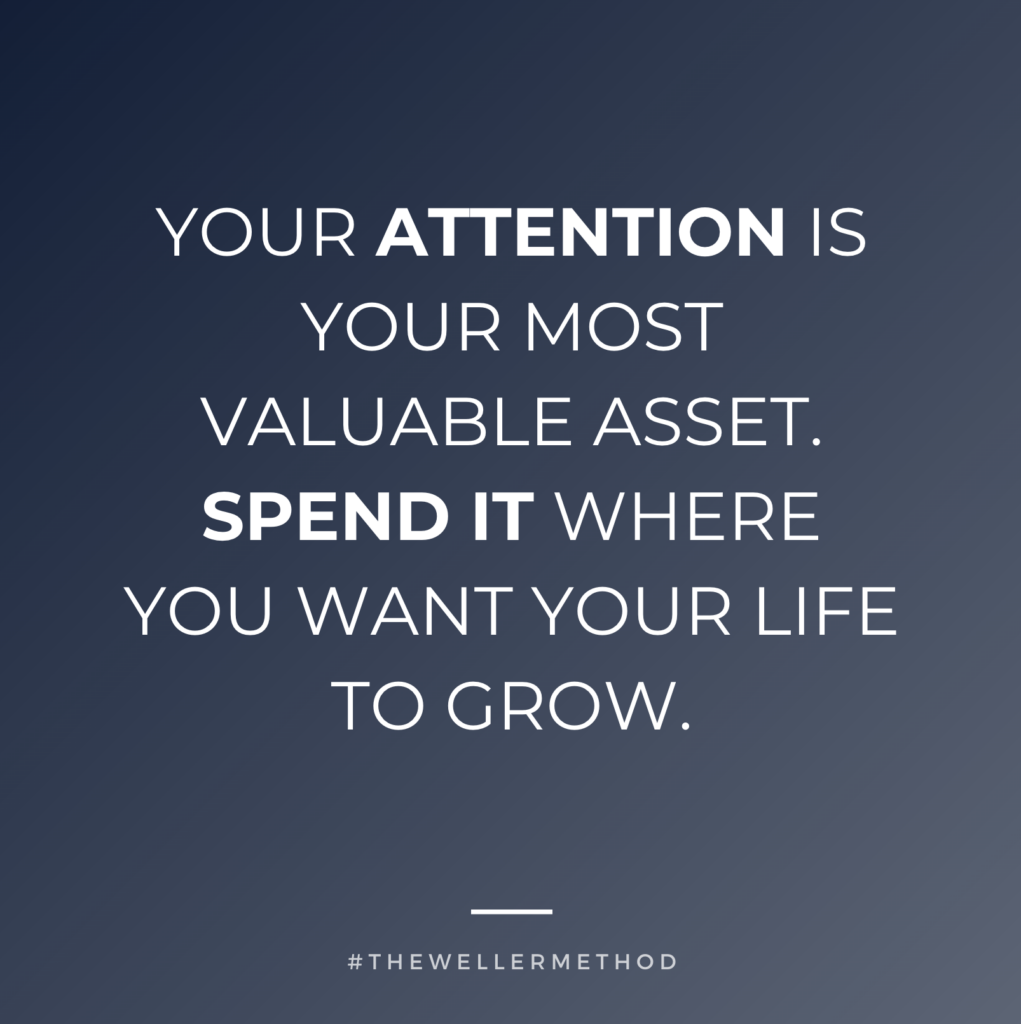
Whether you have ADHD or not, your attention is one of your most valuable assets. It influences your relationships, your work, your health, your goals, and ultimately the quality of your life.
Many people spend years trying to manage their time when what they really need to learn is how to manage their attention.
Time isn’t the problem. Attention is.
And every day you’re either directing it intentionally or giving it away to things that don’t truly matter.
Exercise — Create an Attention-Friendly Environment
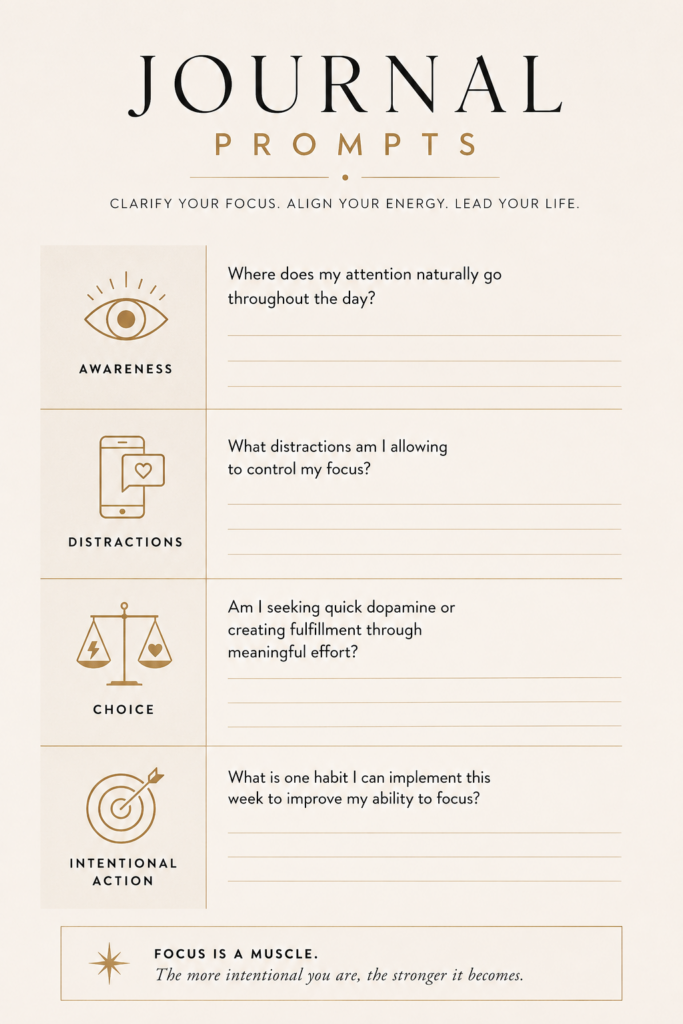
This week, choose one area of your life where you need more focus.
Then ask yourself:
- What distractions are competing for my attention?
- What environmental changes would make focus easier?
- What habits support my ability to stay present and engaged?
Choose one small change and implement it immediately.
Remember, success often comes less from forcing focus and more from removing distractions.
The quality of your life is largely determined by what consistently receives your attention. Protect it. Train it. Direct it toward what matters most. Where your attention goes, your life follows.
With intention,
Chad Weller